

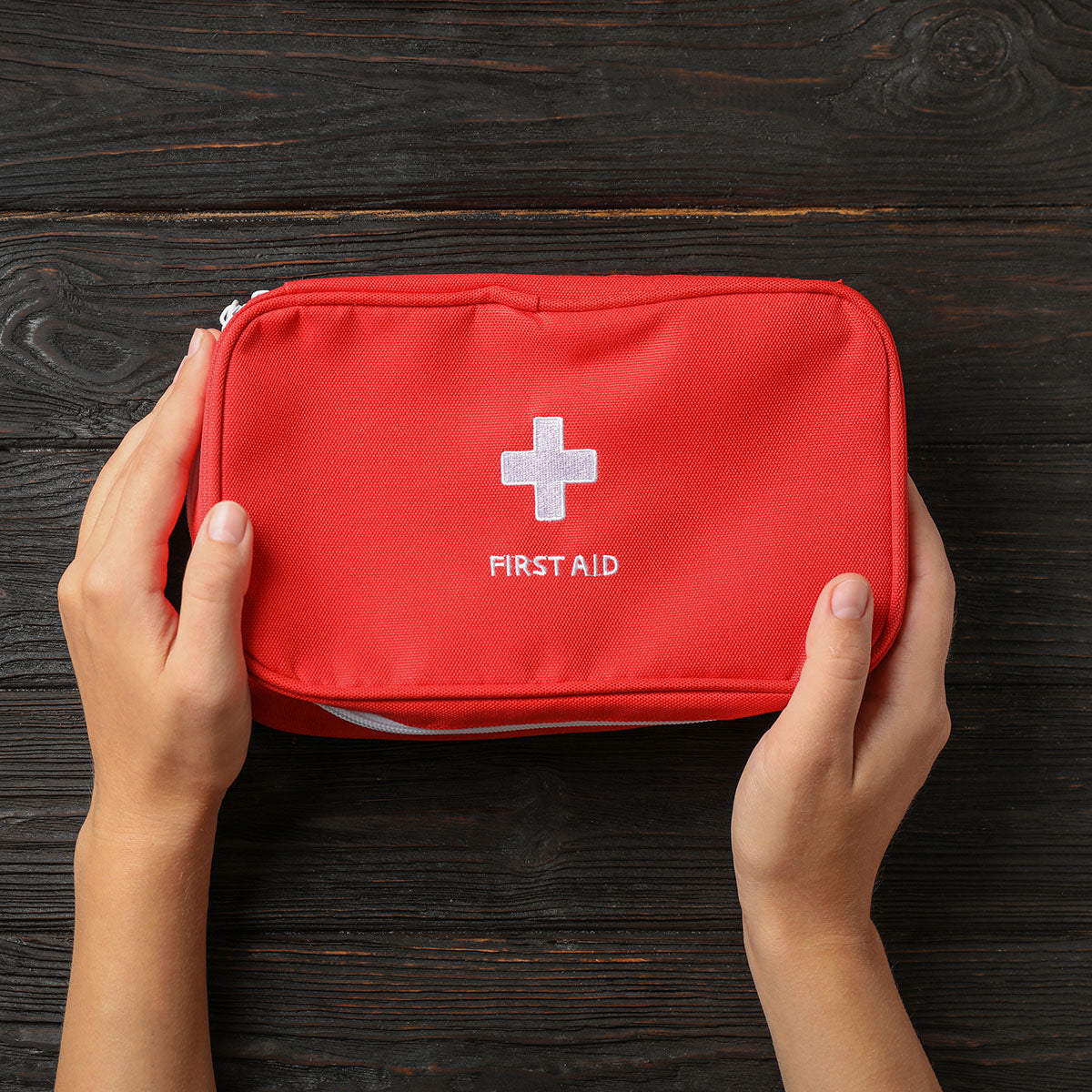
First Aid Certification Overview
Learn how to recognize and respond to common injuries and emergency situations before professional assistance becomes available. This 13-chapter online First Aid course covers first aid supplies, protective equipment, medical emergencies, wounds, bleeding, burns, bone and joint injuries, choking response, aftercare and common mistakes.
Review the complete course before taking the exam, work at your own pace and pay only after you pass. After passing and completing payment, your digital First Aid certificate is available to download immediately. MyCPR NOW has certified thousands of individuals throughout the United States and internationally.
Course at a Glance
- 13-chapter First Aid course
- First aid kits and protective equipment
- Common medical emergencies
- Shock, stroke and weather-related emergencies
- Wounds and external bleeding
- Burns
- Fractures, dislocations, sprains and strains
- Adult and child choking response
- Infant choking response
- Aftercare and common mistakes
- 100% online and self-paced
- Course materials available before payment
- 80% passing score
- Unlimited exam retakes
- Payment required only after passing
- Instant digital certificate
- Certification valid for one year
What You Will Learn
First Aid Kits and Protective Equipment
Review common first aid supplies, personal protective equipment and general considerations for approaching an injury or emergency situation.
Common Medical Emergencies
Learn recognition and response principles for situations involving allergic reactions, breathing emergencies, heart attacks, opioid overdoses, poisoning and seizures.
Shock, Stroke and Weather-Related Emergencies
Review signs associated with shock and stroke, along with general response considerations for heat- and cold-related emergencies.
Wounds and External Bleeding
Learn about abrasions, avulsions, lacerations and puncture wounds. Review the differences between minor and significant external bleeding and the general principles used when responding.
Bone, Muscle and Joint Injuries
Review common signs associated with fractures, dislocations, sprains and strains, along with general considerations for protecting an injured area until additional assistance becomes available.
Burns
Learn about common causes and classifications of burns and review general response considerations for burn injuries.
Adult and Child Choking
Learn how to recognize choking and review the response procedures presented for conscious adults and children.
Infant Choking
Review infant choking recognition and the age-specific response procedures covered in the course.
Aftercare and Common Mistakes
Learn why continued observation, appropriate reporting and professional follow-up may be important after an emergency. Review frequent first aid mistakes and ways to improve emergency preparedness.
First Aid Certification vs. CPR/AED Certification
First Aid certification focuses on common illnesses, injuries, bleeding, burns, shock and choking. CPR/AED certification focuses on cardiac arrest, chest compressions, ventilations and automated external defibrillator use.
This First Aid course does not provide the same detailed CPR and AED curriculum as a dedicated CPR/AED course.
If you need training in both areas, choose the CPR/AED + First Aid Certification to complete both subjects through one combined certification option.
Workplace First Aid Training and Compliance
First Aid certification is commonly used for workplace safety training and general emergency preparedness.
This course provides general First Aid education and proof of successful completion. It may support workplace safety and compliance programs.
Employers may require additional workplace-specific instruction, hands-on skills evaluation or certification from a designated provider. Requirements vary by employer, industry, occupation and location.
Confirm your employer’s requirements before purchasing if certification is needed for employment or workplace compliance.
Complete 13-Chapter Course Curriculum
Review the complete First Aid training curriculum before taking the certification exam.
View the Complete 13-Chapter First Aid Course Curriculum
How It Works
- Select Start Course to access the online training material.
- Review the 13 course chapters at your own pace.
- Take the online certification exam when you are ready.
- Score at least 80% to pass. Retake the exam without an additional charge if necessary.
- Pay only after you have passed.
- Download your digital First Aid certificate immediately after payment.
No scheduled class, advance purchase or account is required to access the course material and exam.
Exam and Certification Details
The First Aid certification exam contains multiple-choice and true-or-false questions based on the course material.
A minimum score of 80% is required to pass. You may retake the exam as many times as necessary without an additional charge, and payment is only required after passing.
After passing and completing payment, your digital First Aid certificate is available for immediate download. Certification is valid for one year and can be renewed by completing the certification process again.
Who Should Take This Certification?
First Aid certification may be appropriate for:
- Workplace employees
- Teachers and school personnel
- Childcare providers
- Coaches and athletic personnel
- Fitness professionals
- Parents and caregivers
- Hospitality and service-industry employees
- Construction and industrial workers
- Community volunteers
- Individuals seeking general emergency preparedness
Certification requirements vary. Confirm that an online First Aid certification meets the requirements of your employer, licensing authority or organization.
Fully Accredited Online Course
MyCPR NOW is fully accredited by the International Council for Online Educational Standards (ICOES). ICOES has reviewed MyCPR NOW and its complete course catalog, including this First Aid certification course.
Accreditation provides independent review of the educational provider and course content. It does not replace employer, licensing, workplace or regulatory requirements.
Important Certification Information
This is a 100% online, knowledge-based First Aid certification course. It does not include an in-person skills demonstration.
Some employers, licensing authorities and organizations require hands-on training or certification from a designated provider. Verify the applicable requirements before purchasing if certification is needed for employment, licensing or regulatory compliance.
Frequently Asked Questions
Is this First Aid course accredited?
Yes. MyCPR NOW and its complete course catalog are fully accredited by the International Council for Online Educational Standards.
What does the First Aid course cover?
The 13-chapter course covers first aid kits, protective equipment, common medical emergencies, shock, stroke, weather-related emergencies, wounds, bleeding, burns, bone and joint injuries, choking, aftercare and common mistakes.
Does this First Aid course include CPR and AED training?
This course focuses on First Aid and does not provide the same detailed CPR and AED curriculum as a dedicated CPR/AED course. Choose the combined CPR/AED + First Aid certification if you need both subjects.
Does the course cover choking?
Yes. The course includes choking recognition and separate response chapters for adults and children and for infants.
Does the course cover severe bleeding?
The course covers wounds and both minor and significant external bleeding. Individuals seeking more concentrated bleeding-control instruction may also consider the First Aid for Severe Bleeding certification.
Can this First Aid certification be used for workplace compliance?
This course may support workplace First Aid training and compliance programs. Additional employer-specific instruction or hands-on skills evaluation may be required.
Is this certification accepted by every employer?
Acceptance and training requirements vary by employer, industry, occupation and location. Confirm your organization’s requirements before purchasing.
Is the course completed entirely online?
Yes. The course material and certification exam are available online and can be accessed from a computer, tablet or mobile device.
Does the course include hands-on practice?
No. This is an online, knowledge-based First Aid course. Some employers and organizations require a separate hands-on skills demonstration.
Can I review the course before paying?
Yes. You may access and review the complete course material before taking the exam or making a payment.
What score is required to pass?
A minimum score of 80% is required to pass the First Aid certification exam.
Can I retake the exam?
Yes. You may retake the exam as many times as necessary without an additional charge.
When do I pay?
Payment is only required after you successfully pass the certification exam.
When will I receive my certificate?
Your digital First Aid certificate is available to download immediately after you pass and complete payment.
How long is the certification valid?
The certificate is valid for one year from its completion date.
Is the course suitable for beginners?
Yes. The course is organized in a clear, structured format suitable for first-time learners and individuals renewing their First Aid knowledge.
Is an account required to begin?
No. You can access the course material and certification exam without creating an account.