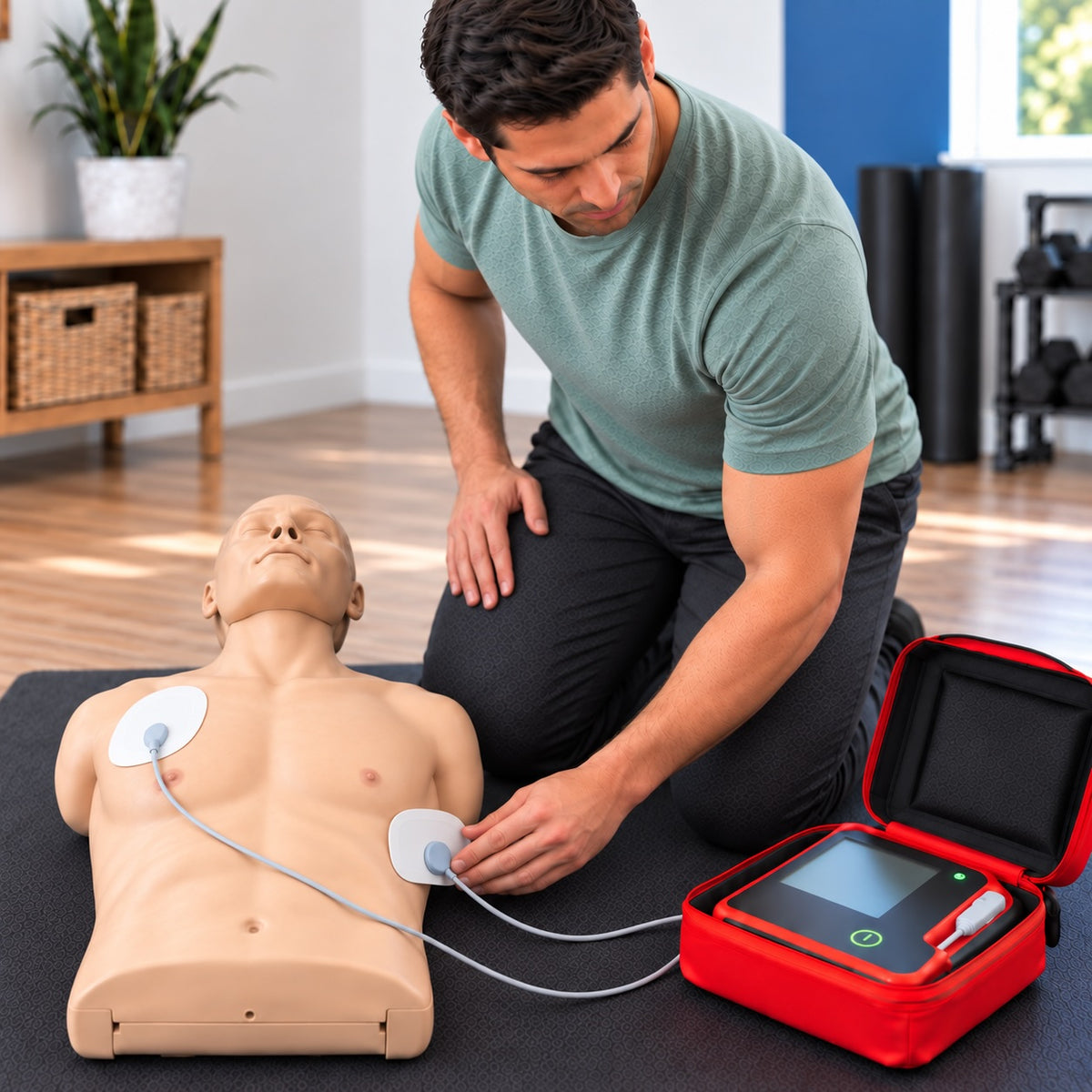
Understanding the CPR heartbeat and learn the steps to effective resuscitation.

Understanding the CPR Heartbeat: Effective Resuscitation

When a person has a cardiac arrest, effective CPR is crucial as their heart stops beating effectively. CPR, or cardiopulmonary resuscitation, helps to manually pump blood through the body, simulating a CPR heartbeat. This guide explains how proper chest compressions can keep blood and oxygen circulating until medical professionals take over.

Key Takeaways

  • CPR serves as an artificial heartbeat, providing crucial blood circulation to vital organs during cardiac arrest until professional help arrives.

  • Proper technique in checking for a pulse and performing continuous chest compressions is essential to maximize the effectiveness of CPR and ensure a swift emergency response.

  • CPR training and certification significantly enhance a bystander’s ability to respond effectively in emergencies, increasing the survival rates of cardiac arrest victims.

Understanding the Role of Heartbeat in CPR

When a person experiences sudden cardiac arrest, their heart stops beating effectively, and blood flow to the brain and other vital organs ceases. This is where cardiopulmonary resuscitation (CPR) becomes a lifesaving technique. Chest compressions serve as an artificial heartbeat, helping to circulate blood and oxygen throughout the body, which is crucial for survival.

Continuous chest compressions deliver oxygenated blood to the brain, keeping the victim viable until professional medical help arrives. The main objective is to restore blood flow and maintain oxygen levels, achievable even without rescue breaths in some cases. Training more bystanders in CPR can significantly increase the survival rates of cardiac arrest victims, highlighting the importance of CPR training for everyone.

Continue to perform CPR until professional help arrives or the person regains consciousness. The continuous effort can make a substantial difference in the person’s chances of surviving cardiac arrest. Every second counts, and proper CPR techniques can save lives.

Understanding Cardiac Arrest

Cardiac arrest is a sudden and unexpected loss of heart function, often occurring without warning. It can be triggered by various factors such as a heart attack, electrocution, or drowning. When cardiac arrest happens, the heart stops beating or beats too ineffectively to circulate blood to the brain and other vital organs. This cessation of blood flow can lead to brain damage, organ failure, and even death if not treated promptly.

Immediate intervention is crucial. The lack of oxygenated blood reaching the brain and other vital organs can cause irreversible damage within minutes. Recognizing the signs of cardiac arrest and knowing how to respond can make the difference between life and death. This underscores the importance of CPR training for everyone, as timely and effective chest compressions can maintain blood flow and increase the chances of survival until professional medical help arrives.

How to Check for a Pulse Before Starting CPR

Before starting CPR, check for a pulse to determine if the heart is still pumping blood effectively. If a pulse is present, chest compressions might not be necessary. If no pulse is detected within 10 seconds, start chest compressions immediately.

For adults and children, check the pulse at the carotid artery, while for infants, use the brachial artery. This process should take no longer than 10 seconds to avoid delays. If a pulse is weak or irregular, chest compressions might still be necessary to support blood flow.

Carotid Artery Check (Adults and Children)

For adults and children, the carotid pulse is the most reliable site to check for a pulse due to its size and surface proximity. To locate the carotid artery, place your pointer and middle fingers on the side of the neck, just below the jawline, between the sternocleidomastoid muscle and the trachea. It’s important to ensure your fingers are not placed too high or too low to avoid missing the pulse.

If you cannot find a pulse on one side of the neck, check the other side to avoid missing a weak or irregular pulse. This approach ensures an accurate assessment of whether chest compressions are needed.

Brachial Artery Check (Infants)

The brachial artery is located inside the upper arm. It is the best site to check for a brachial pulse in infants. Use your index and middle fingers to gently press along the inside of the arm, focusing on the center of the inner upper arm. This method is more accessible in infants due to their smaller arms.

Accurate finger placement is crucial for detecting a pulse in infants. This technique ensures you can quickly determine if chest compressions are needed, enhancing the chances of effective resuscitation.

Performing Effective Chest Compressions

Effective chest compressions are the cornerstone of successful CPR. They help pump oxygen-rich blood to the brain and other vital organs, which is essential for survival until professional medical help arrives. It is recommended starting CPR with hard and fast chest compressions, ensuring continuous chest-only CPR when necessary, and maintaining the correct compression rate.

Call for emergency services immediately and begin chest compressions without delay. It is not necessary to worry about rescue breaths initially; focus on maintaining a steady rhythm and adequate depth to maximize the chances to continue chest compressions and survival.

Proper Hand Placement

Correct hand position is crucial for effective chest compressions. For adults and children, place your hands in the lower half of the chest, between the nipples. Keep your palms flat, with one hand on top of the other, and avoid interlocking fingers to maintain effective compressions.

For infants, use two fingers and compress to about one-third or half the chest depth. This gentle approach is crucial to avoid injury while ensuring effective blood flow.

Compression Depth and Rate

The recommended compression depth and rate for chest compressions is 100 to 120 per minute, with a depth of approximately 2 inches for adults. Correct depth and rate are crucial for effective CPR, ensuring adequate blood flow to vital organs.

Consistency is key. Deliver each compression at the correct depth and rate to maximize CPR effectiveness. This significantly improves the chances of a positive outcome during resuscitation.

The C-A-B Method

The C-A-B method is a widely accepted approach to performing cardiopulmonary resuscitation (CPR), emphasizing the critical steps needed to maintain blood flow and oxygenation during cardiac arrest. C-A-B stands for Circulation, Airway, and Breathing, and it prioritizes the actions that can keep a person alive until emergency services arrive.

  • C: Circulation - The first step is to begin chest compressions immediately. Effective chest compressions help maintain blood flow to the brain and other vital organs, which is crucial during cardiac arrest. Place your hands in the correct position and compress the chest at a rate of 100 to 120 compressions per minute.

  • A: Airway - After establishing circulation, the next step is to ensure the airway is open. Use the head-tilt, chin-lift maneuver to open the airway, making it easier for the person to breathe.

  • B: Breathing - Finally, provide rescue breaths to supply oxygen to the lungs. If you are trained in giving rescue breaths, deliver them at the appropriate intervals. If not, continue with hands-only CPR, focusing on maintaining continuous chest compressions.

The C-A-B method is designed to maximize the effectiveness of CPR, ensuring that blood flow and oxygenation are maintained during a cardiac emergency.

Recognizing the Signs of Sudden Cardiac Arrest

Sudden cardiac arrest can strike without warning, but being able to recognize the signs can save lives. Key symptoms to watch for include:

  • Sudden Collapse or Loss of Consciousness: The person may suddenly fall to the ground and become unresponsive.

  • No Breathing or Abnormal Breathing: The person may not be breathing at all, or their breathing may be irregular and gasping.

  • No Pulse or a Weak Pulse: Check for a pulse; if none is detected or if it is weak, immediate action is required.

  • Pale or Blue-Tinged Skin: The lack of oxygenated blood can cause the skin to appear pale or bluish.

  • Confusion or Loss of Responsiveness: The person may be disoriented or unable to respond to questions or stimuli.

If you witness someone exhibiting these symptoms, call 911 or your local emergency number immediately. Begin CPR if you are trained to do so, starting with chest compressions to maintain blood flow to the brain and other vital organs. Quick recognition and prompt action are critical in increasing the chances of survival for cardiac arrest victims.

The Importance of Continuous Chest Compressions

Continuous chest compressions are vital during cardiac arrest. They maintain blood flow to the heart and brain, increasing the chances of survival. Interruptions can reduce the likelihood of a positive outcome, so it’s crucial to maintain continuous compressions.

Studies have shown that uninterrupted chest compressions significantly improve patient outcomes. Continuous compressions ensure oxygenated blood reaches the brain and other vital organs until professional help arrives.

In scenarios where rescue breaths are not possible, continuous chest compressions alone can be highly effective. Hands-only CPR can be as effective as conventional CPR in certain situations, underscoring the importance of maintaining compressions.

When to Use Rescue Breaths During CPR

Rescue breaths are crucial in situations like drowning or choking, where oxygen deprivation is a concern. It is advised starting CPR with chest compressions before introducing rescue breathing. If you’re unsure about performing rescue breaths, hands-only CPR is an acceptable alternative.

Deliver rescue breaths only if you have proper training, as improper breaths can cause harm. For children and infants, giving rescue breaths should be done every 3-5 seconds, ensuring their airway is open using the head-tilt, chin-lift maneuver. This technique maintains an open airway and effective ventilation.

Different methods for rescue breathing include mouth-to-mouth, mouth-to-nose, or using a bag-mask device. Follow specific steps for each method to ensure effective and safe CPR. Rescue breaths can significantly enhance survival chances in children and infants by providing necessary oxygen.

Using an Automated External Defibrillator (AED)

An Automated External Defibrillator (AED) is crucial during sudden cardiac arrest as it performs defibrillation to restore normal heart rhythm by delivering an electrical shock. Always call emergency services immediately when an arrest occurs.

Place the AED pads on the upper right and lower left parts of the chest. The device will guide you through the process, ensuring you deliver the shock safely and effectively.

Using an AED along with chest compressions can significantly improve survival chances.

Special Considerations for Pediatric CPR

Pediatric resuscitation requires special considerations due to anatomical and physiological differences in children and infants. Use two fingers to perform chest compressions on an infant, compressing to one-third or half the chest depth. For children, the CPR compressions rate should be 100 to 120 compressions per minute.

Deliver rescue breaths gently to children to avoid over-inflation, as they are more susceptible to airway issues. In witnessed cardiac arrest cases in children, activate emergency services before initiating CPR. This ensures that professional help is on the way while you perform life-saving actions.

Understanding these differences is crucial for effective pediatric CPR, enhancing the chances of a positive outcome.

Common Mistakes to Avoid During CPR

Common CPR errors include pressing too lightly and compressing too slowly. Also, allow the chest to fully rise between compressions. These errors can significantly reduce the effectiveness of CPR, compromising the chances of survival.

Another mistake is checking for a pulse during CPR, which wastes valuable time. Switch with another person every 100 compressions or when fatigued to maintain effective rates. Avoiding these mistakes can significantly improve survival during cardiac arrest.

Protection for Performing CPR

Some laws protect individuals who assist in medical emergencies, including performing CPR. These laws vary by state but generally shield helpers from legal liability if they act voluntarily, seek consent, and avoid gross negligence.

Both chest-compression-only CPR and conventional CPR are covered under these laws, encouraging bystanders to help without fear of legal repercussions. Certification does not affect legal protection, reassuring everyone their efforts to save a life are covered.

CPR Training and Certification

Getting CPR certification can significantly improve survival chances during cardiac arrest. Enroll in an first-aid training course to learn CPR properly. These courses can be completed in a few hours, making them accessible to everyone.

Certification classes are available online, and in blended learning formats. CPR training boosts confidence, enabling decisive action in emergencies. It prepares you to help adults, children, and infants, ensuring you’re ready to save lives when it matters most.

Summary

Mastering CPR techniques and understanding the importance of effective chest compressions can make the difference between life and death. By learning how to check for a pulse, perform chest compressions, use an AED, and give rescue breaths, you’re equipped to act swiftly in emergencies.

Remember, continuous chest compressions are vital, and knowing when to use rescue breaths can enhance the chances of survival. Get CPR certified, stay confident, and be prepared to save lives. Your actions can make a world of difference.

Frequently Asked Questions

Why is it important to check for a pulse before starting CPR?

It is essential to check for a pulse before starting CPR to confirm that chest compressions are needed, thereby avoiding unnecessary interventions if the heart is still effectively pumping blood. This step ensures that the necessary actions are appropriate and targeted.

How do I perform chest compressions correctly?

To perform chest compressions correctly, ensure proper hand placement, compress to a depth of 2 inches, and maintain a rate of 100 to 120 compressions per minute for effective CPR.

When should I use rescue breaths during CPR?

Rescue breaths should be administered during CPR when there is a clear need for oxygen, particularly in situations like drowning or choking, and only if the rescuer is adequately trained.

What protections do laws offer for performing CPR?

Some laws provide protections from legal liability for individuals who perform CPR in emergencies, thereby encouraging bystanders to assist without fear of legal consequences. Thus, these laws promote prompt and potentially life-saving actions in critical situations.

Why is CPR training and certification important?

CPR training and certification are crucial as they significantly increase survival rates during cardiac arrest and equip individuals with the confidence and skills to respond effectively in emergencies. This preparation can save lives when every second counts.


CPR + First Aid Certification

Back to blog